
We’ve all stood in front of an artwork and felt something inexplicable — an almost romantic tug at the heart. Scientists now have evidence that this isn’t just poetic metaphor: your brain literally lights up in ways similar to what happens when you fall in love.
Dopamine: The Brain’s “Love” Chemical Shell
The British neurobiologist Semir Zeki at University College London coined the term neuroaesthetics to define the intersection of brain and art. An interdisciplinary field, it’s a cognitive neuroscience that investigates the biological and neural foundations of aesthetic experiences, specifically how the brain perceives, processes, and responds to beauty, art, and creative works. It bridges psychology, art, and neuroscience to understand why certain sensory experiences trigger pleasure, emotion, and deep engagement.
One of the most striking findings in neuroaesthetics comes from Zeki’s brain imaging studies that showed that when people look at artworks they find beautiful, the same reward centers of the brain become active as when they experience romantic love. In both cases, there’s a rush of dopamine, the neurotransmitter tied to pleasure and desire.
This means that staring at a Botticelli masterpiece or the unicorn tapestries or a breathtaking abstract isn’t just emotionally moving—it’s biochemically rewarding in a way that overlaps with the experience of being in love.
The Reward System and Emotional Engagement
When we fall for someone, multiple systems in the brain fire in concert: reward pathways, emotion centers, and memory circuits. Research suggests that engaging with art activates many of these same networks. Dopamine release, increased blood flow in pleasure-related areas, and even physiological reactions like relaxed breathing or a racing heart are all part of the picture.
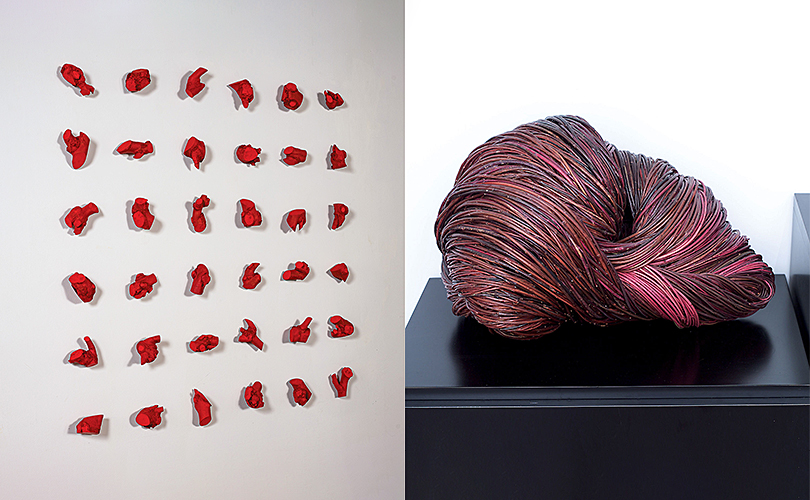
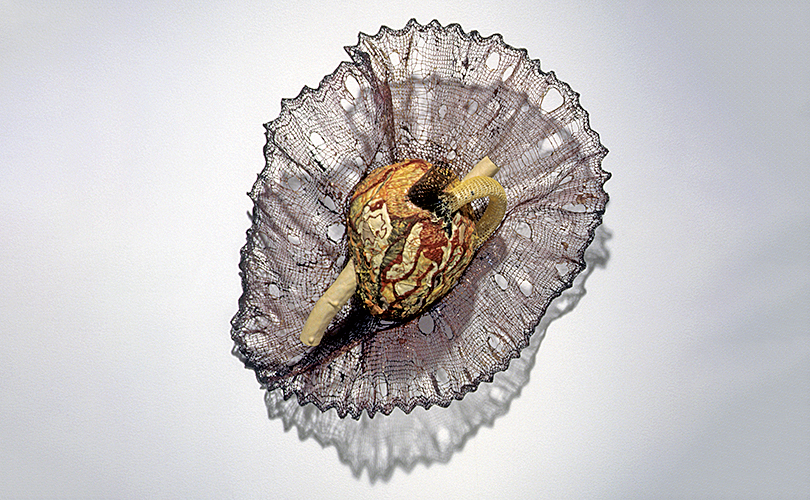
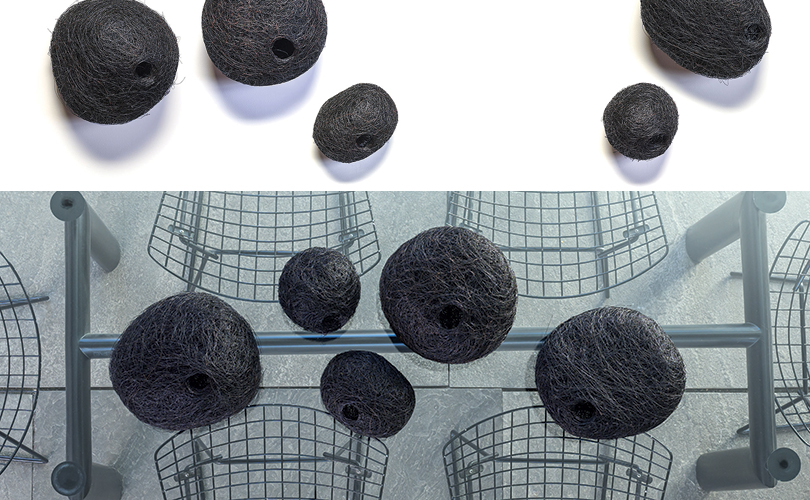
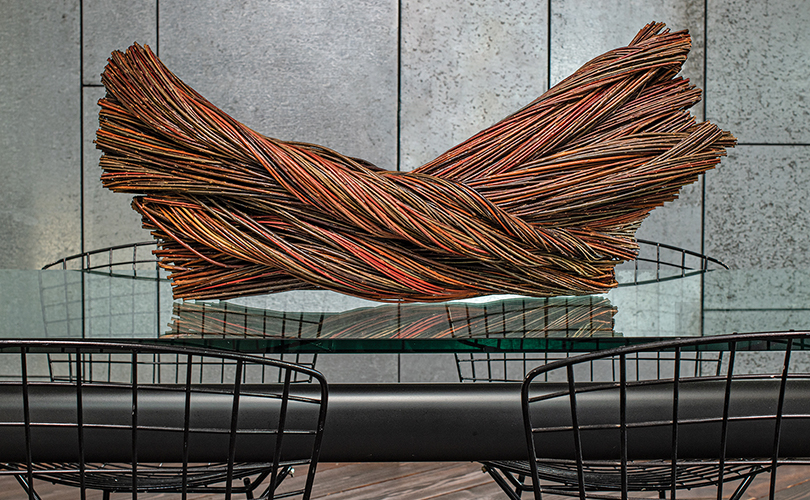
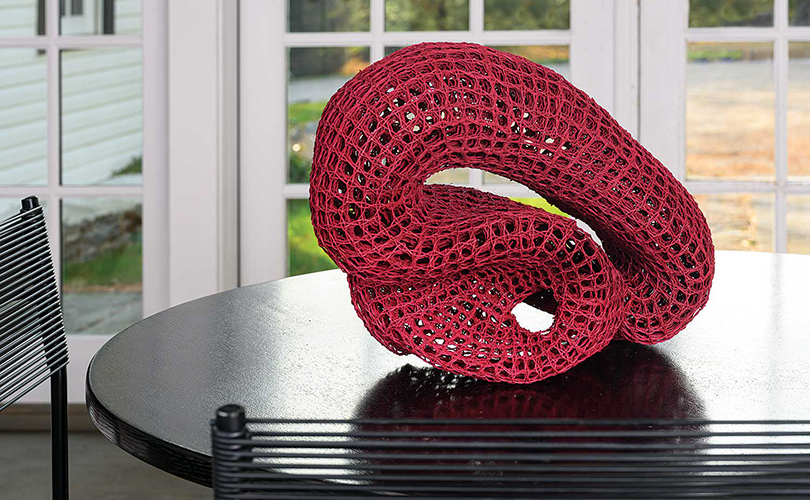
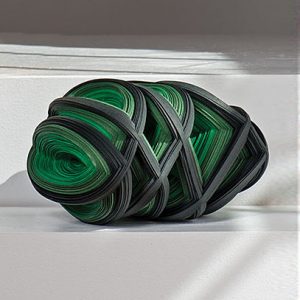
31cj Heart, Christine Joy, red oisier and dogwood, 20″ x 28″ x 20″, 2000. Photos by Tom Grotta
This isn’t just about liking something—it’s about deep emotional resonance. The brain’s reward system doesn’t discriminate between stimuli coming from a beloved person or a powerful work of art. That’s why great art can make us feel “high” or euphoric, much like early love does.
Another key aspect of neuroaesthetics is the investigation of how specific elements of art, such as symmetry, color, and composition, influence aesthetic judgments. For example, studies have found that symmetrical patterns are often perceived as more attractive, likely due to the brain’s preference for order and predictability. Similarly, color and contrast have been shown to significantly impact aesthetic preferences and emotional responses.
Emotion, Empathy, and the Social Brain
But neuroscience doesn’t stop at pleasure. Recent studies show that art activates regions associated with empathy and social cognition, the same areas involved when we form emotional bonds with others. Art draws us into imagined worlds, invites us to feel with its subjects, and resonates with our own personal memories and emotions.
This might explain why a painting depicting a glance or a gesture can evoke feelings of connection, longing, or even heartbreak—mirroring the emotional investment we experience in real relationships.
Mirror Neurons: Feeling What We See
One fascinating mechanism behind this effect is the role of mirror neurons. These neurons fire not only when we perform an action, but when we observe an action. That means when we watch a figure in a painting weeping or embracing, parts of our brain simulate the experience—almost as if we were there ourselves.
This neural mirroring deepens our emotional engagement and helps explain why art can evoke love-like responses: it’s not just cognitive—our bodies participate, too.
The Aesthetic and the Romantic: A Shared Neural Landscape
Love is complex—more than chemistry, it’s a neurobiological symphony involving reward, memory, emotion, and social cognition. What’s remarkable is how closely this symphony mirrors the neural response to intense aesthetic experience.
Art connects. It rewards. It moves us. And if the next time poetry makes your chest tighten or a sculpture catches your breath, you feel that all-too-familiar flutter—you’re not imagining it. Your brain might just be engaging in its own kind of romance.
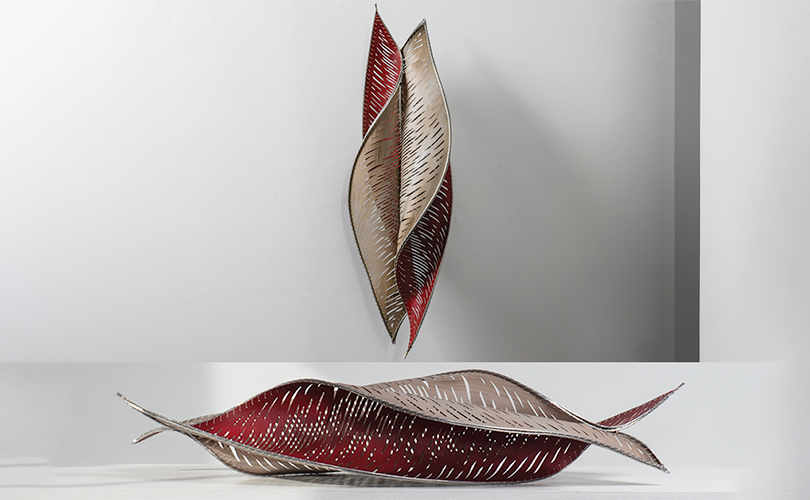
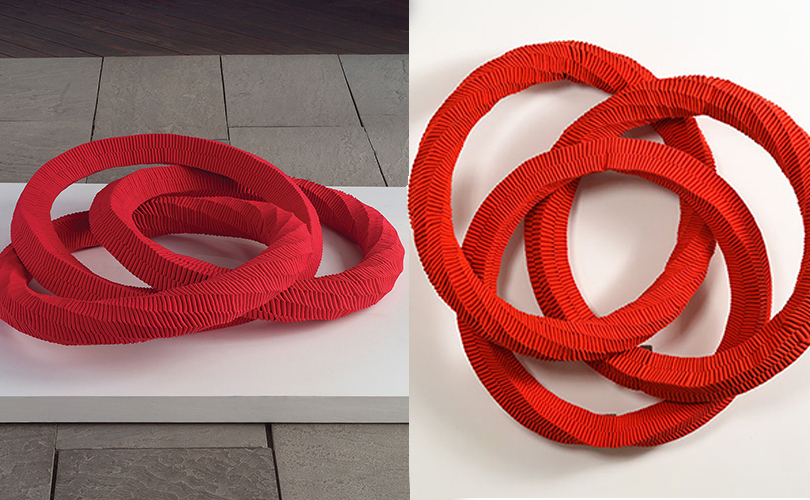
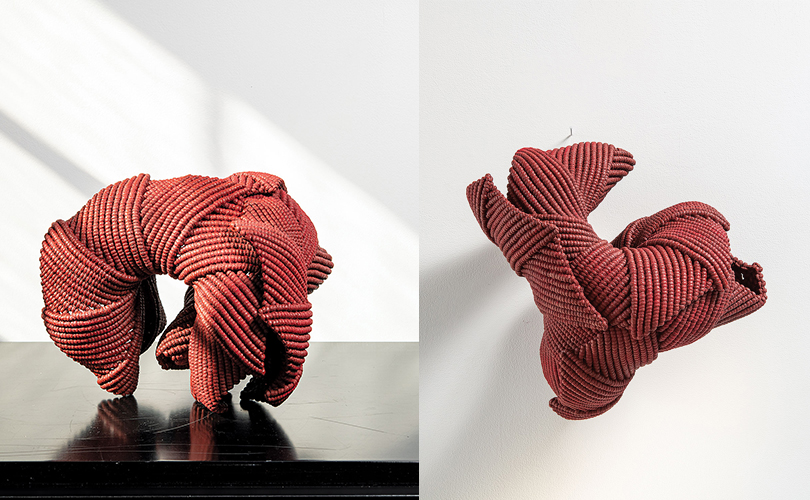
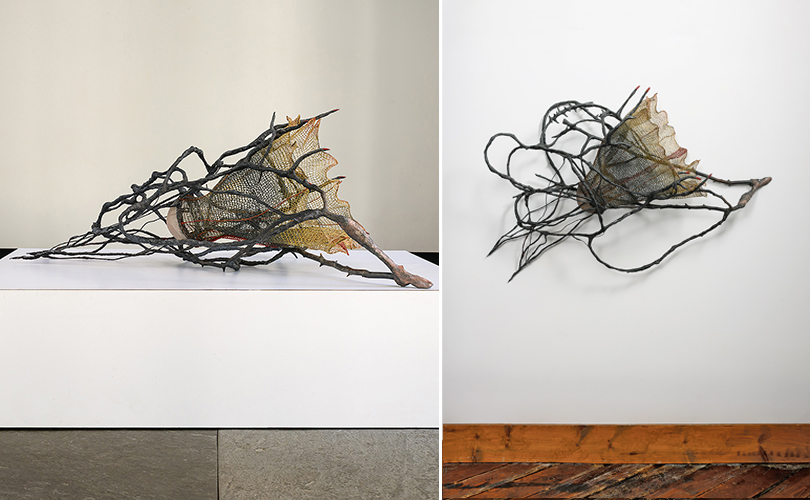
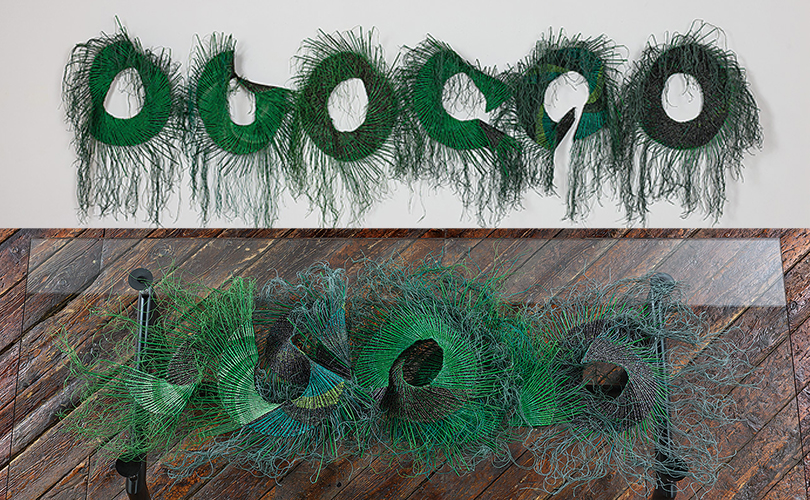
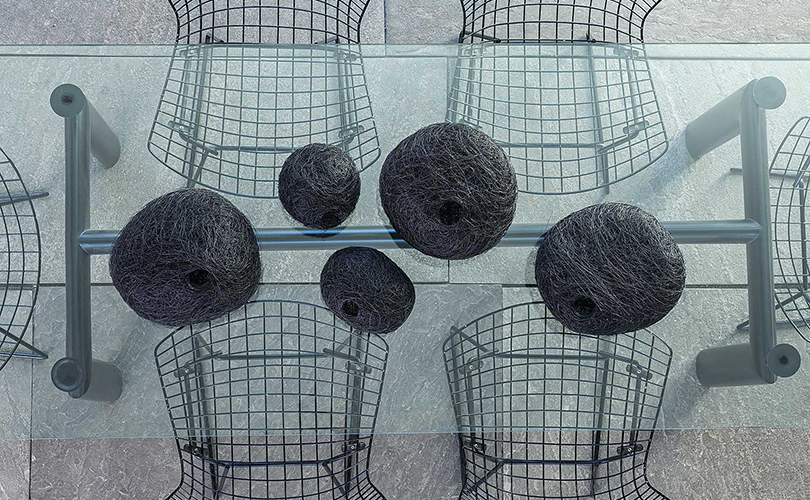
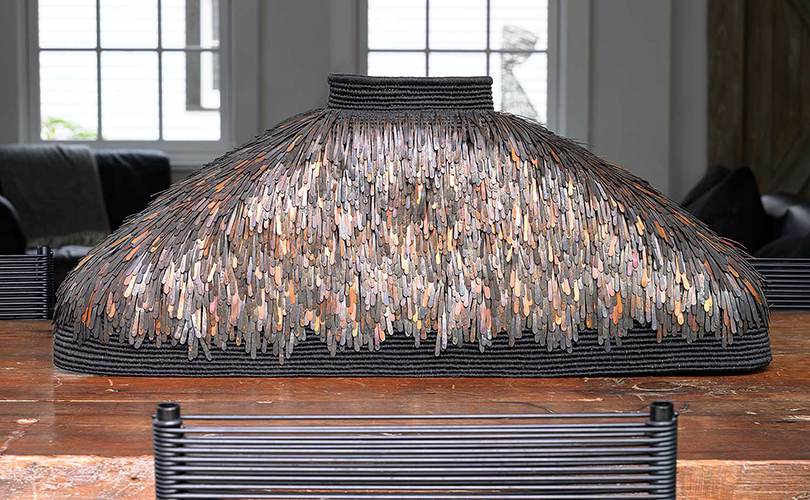




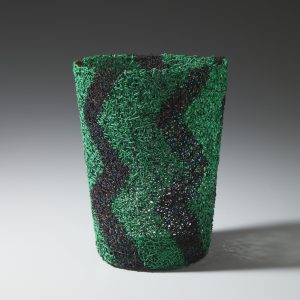
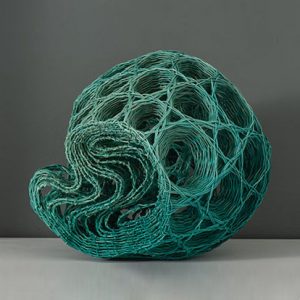


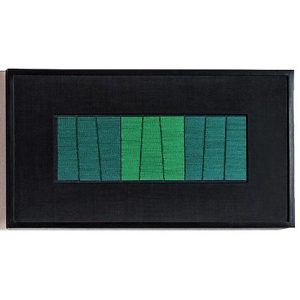
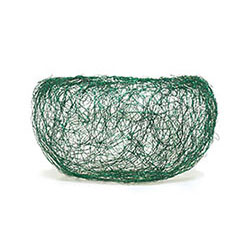

 Randy Walker
 And From

Books Make Great Gifts 2011: Artist Recommendations
This year we asked the artists we represent just one question:
What was the most enjoyed/most inspirational book you read this year?? Here are their wide-ranging replies:
The Absolutely True Diary of a Part-Time Indian by Sherman Alexie, illustrated by Ellen Forney (Little, Brown; National Book Award) . This is a semi-autobiographical novel by award-winning author, poet and film-maker, Sherman Alexie. Alexie has been named one of Granta’s Best Young American Novelists and has been lauded by The Boston Globe as “an important voice in American literature.” He is one of the most well-known and beloved literary writers of his generation, with works such as Reservation Blues and War Dances. He also wrote the screenplay for the film, Smoke Signals, based on a short story from his book, Lone Ranger and Tonto Fistfight in Heaven. In his novel, Alexie tells the heartbreaking, hilarious, and beautifully written story of a young Native American teen, Arnold, as he attempts to break free from the life he was destined to live. Arnold’s drawings illustrate the book.”
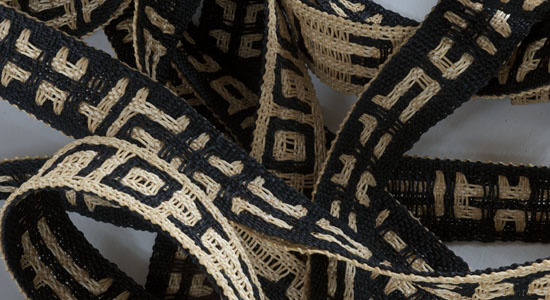
Sensual Relations by David Howes (University of Michigan) is Deborah Valoma’s recommendation.