As in previous years, artists represented by browngrotta arts have an eclectic and interesting list of books to recommend, art-related and otherwise. Thanks to dozen-plus artists who made suggestions, 18 books in all.
Tamiko Kawata reports that she had the chance to read a few books while icing her injured shoulder after therapy, first three times a day, then two times. She enjoyed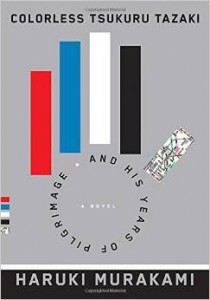 Haruki Murakami’s Colorless Tsukuru Tazaki and His Years of Pilgrimage. She is now reading — and enjoying —
  Herta Muller, Even Back Then, the Fox Was the Hunter.
Mary Merkel-Hess recommends 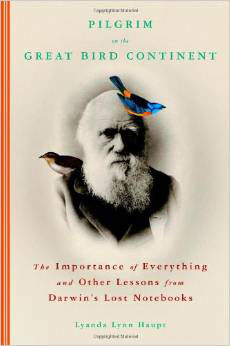 Pilgrim on the Great Bird Continent: The Importance of Everything and Other Lessons from Darwin’s Lost Notebooks by Lyanda Lynn Haupt. “It is the gracefully written account of how, during his five years on the Beagle, Charles Darwin became an accomplished naturalist who could discern scientific truths from the creatures he studied. “ she writes. “Haupt documents this transformation by concentrating on Darwin’s lesser-known writings, particularly his notebooks. At points it reads like a travelogue and a manual for bird watchers. I found it fascinating.”
“I do not get to read books as much as I like,” writes Kiyomi Iwata, ” but the best book I read this year was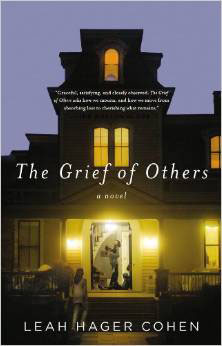 The Grief of Others by Leah Hager Cohen. Even though she is very young — my daughter’s age — I found her prose most sensitive, insightful and compassionate. Her most recent book is
 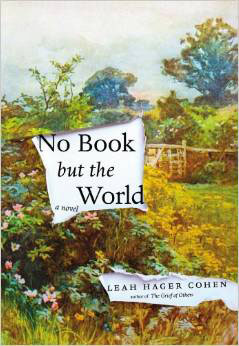 No Book for the World, which I am still reading.”
The most inspirational book Toshio Sekiji read this year was 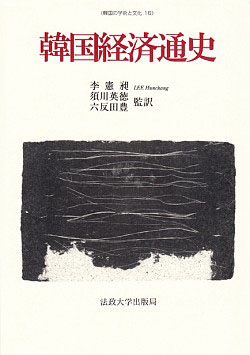 Korean Economy Drilled Through by Lee Hong Chang, which was originally published in Korea by Bobmun-sha,1999, the Japanese translation was by Hosei University Press in 2004. The book illuminates the dramatic changes from the medieval age to the modern age. It was one of a number of related books Toshio has read over the last two years as he prepared a report, “Korean Lacquer Culture through Neolithic Age to Modern Age” for the Bulletin of the Lacquer Art Museum in Wajima, Japan.
Ulla-Maija Vikman most enjoyed 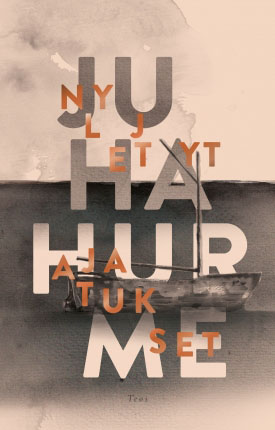 Nyljettyjä ajatuksia (Flayed Thoughts) by Juha Hurme. In Finnish only at this point, it’s a story of a 700-mile, 20-day rowing journey in which the characters eat, camp on islets and beaches and discuss what is essential and how what’s essential is transmitted.
There are two recommendations from Ruth Malinowski: 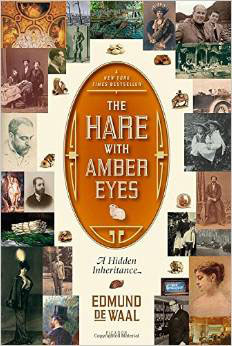 The Hare with Amber Eyes by Edmund de Waal, recommended last year by Kay Sekimachi (and published by Rhonda’s other employer, FSG/Macmillan) and 1913: The Year Before the Storm
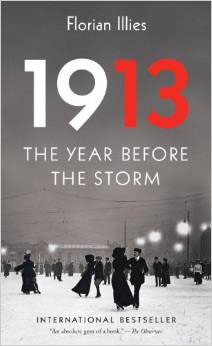 by Florian Illies. The latter highlights developments in literature and art, as well as politics, covering the lives of Kafka, Rilke, Thomas Mann, Camille Claudel, Freud, Stalin, Hitler and some Royalty. Wars, love letters, art thefts and many more events from1913 are cleverly combined in 12 chapters, each reflecting a calendar month.
Ceca Georgieva rated 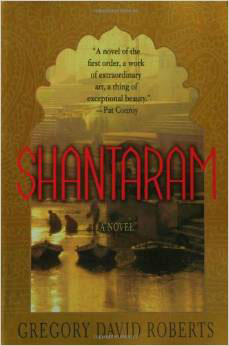 Shantaram by Gregory David Roberts as her most inspirational read of the year. (Full disclosure, this one is also published by Rhonda’s other employer, St. Martin’s Press/Macmillan and a book she also quite enjoyed. It’s been optioned by Johnny Depp and the movie is currently in production.)
“Of the many inspiring reads this year,” writes Wendy Wahl, “two authors stand out who had an impact on my work as a visual artist interested in the potency of printed text on paper. I was given 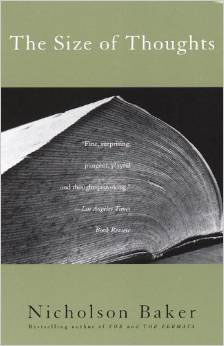 Nicholson Baker’s The Size of Thoughts, by my husband when I was trying to weave together seemingly disparate yet connected ideas that sometimes are considered mundane and should be thought of as blessed into a cohesive short story. Baker’s style reminded me to keep doing what I was doing. I went onto read his
 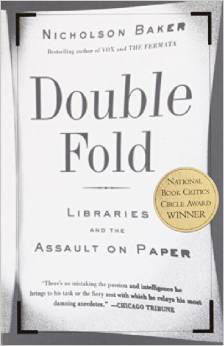 Double Fold: Libraries and the Assault on Paper, which became the inspiration for a sculpture I made this year that shares its name. One of my favorite library activities is to stroll through the stacks with my head cocked to one side and my index finger underlining titles vertically to see what’s there. I was delighted to come upon On Paper,
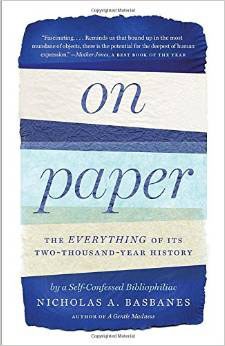 The Everything of Its Two-Thousand-Year History by Nicholas Basbanes, ‘a self-confessed bibliophiliac.’ I’ve checked this book out several times, paid late fees and, since I can’t write in this copy, I realize I must own it.”
Five art books got the nod from our artist/correspondents including 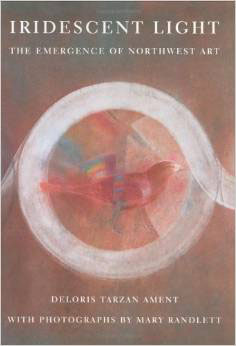 Iridescent Light: The Emergence of Northwest Art by Deloris Tarzan Ament with photographs by Mary Randlett. Dona Anderson “enjoyed immensely” Ament’s profiles of 21 artists who lived and worked in Washington State during formative periods in their careers, profiles that blend discussion of their work and commentary on the obstacles they faced and the influences they brought to bear on one another.
Scott Rothstein rates 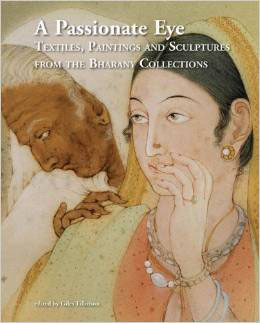 A Passionate Eye: Textiles, Paintings and Sculptures from the Bharany Collections, Giles Tillotson, ed. as a “great book.” Mr. Bharany is Scott’s “Indian Father.” He is very involved with textiles as well as paintings and other Indian art forms. Scott says, “I had tea with him three times a week when I lived there and we get back to India almost every year, mostly to spend time with him. He is around 88 years old, so we feel we need to be with him as much as we can.” The book on Judith Scott,
 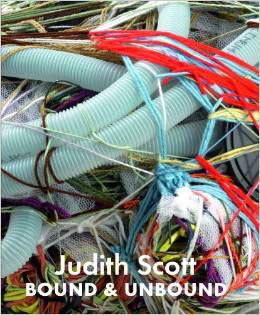 Judith Scott, Bound and Unbound, he recommends, too — more for the photos than the text.
Nancy Koenigsberg found the volume created to accompany the traveling exhibition at the Institute of Contemporary Art, Boston, 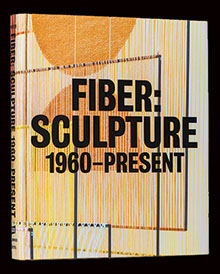 Fiber: Sculpture 1960 to the Present (available on our website, browngrotta.com), “a must read for fiber people, makers and buyers — especially young artists who don’t know who some of these artists are. I was really surprised to discover that!!,” she says.
“My favorite book for this year,” writes Adela Akers, “is, without a doubt: 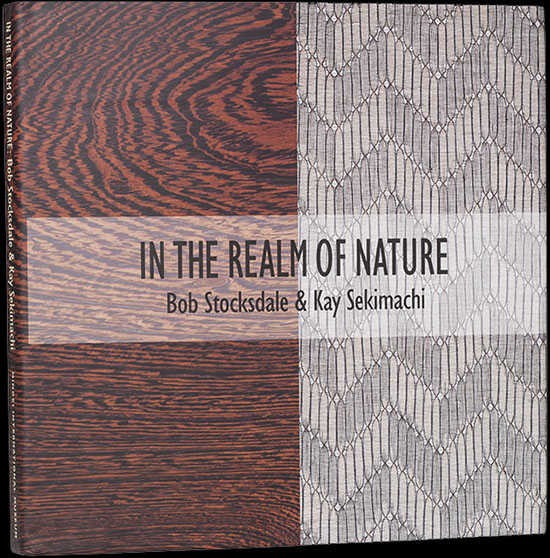 In The Realm Of Nature: Bob Stocksdale & Kay Sekimachi (available on our website, browngrotta.com). A beautiful book, well conceived with excellent writing by Signe S. Mayfield. The life history of these two wonderful artists is beautifully intertwined with perfect images of their work. What a pleasure!”
Wishing you all new year that provides plenty of time for pleasure reading!